Worried about the safety of your pets during fumigation? Learn what to do with pets during bed bug treatment with our guide on pet-friendly protocols, temporary relocation, and post-treatment cleanup.
Dealing with a bed bug infestation is stressful for any homeowner. These tiny pests turn your sanctuary into a source of anxiety, feeding on human blood and hiding in nooks and crannies throughout your home. But if you share your life with a furry friend, the stress multiplies. Your primary concern isn't just eradicating the bugs; it's ensure the safety of your companion.
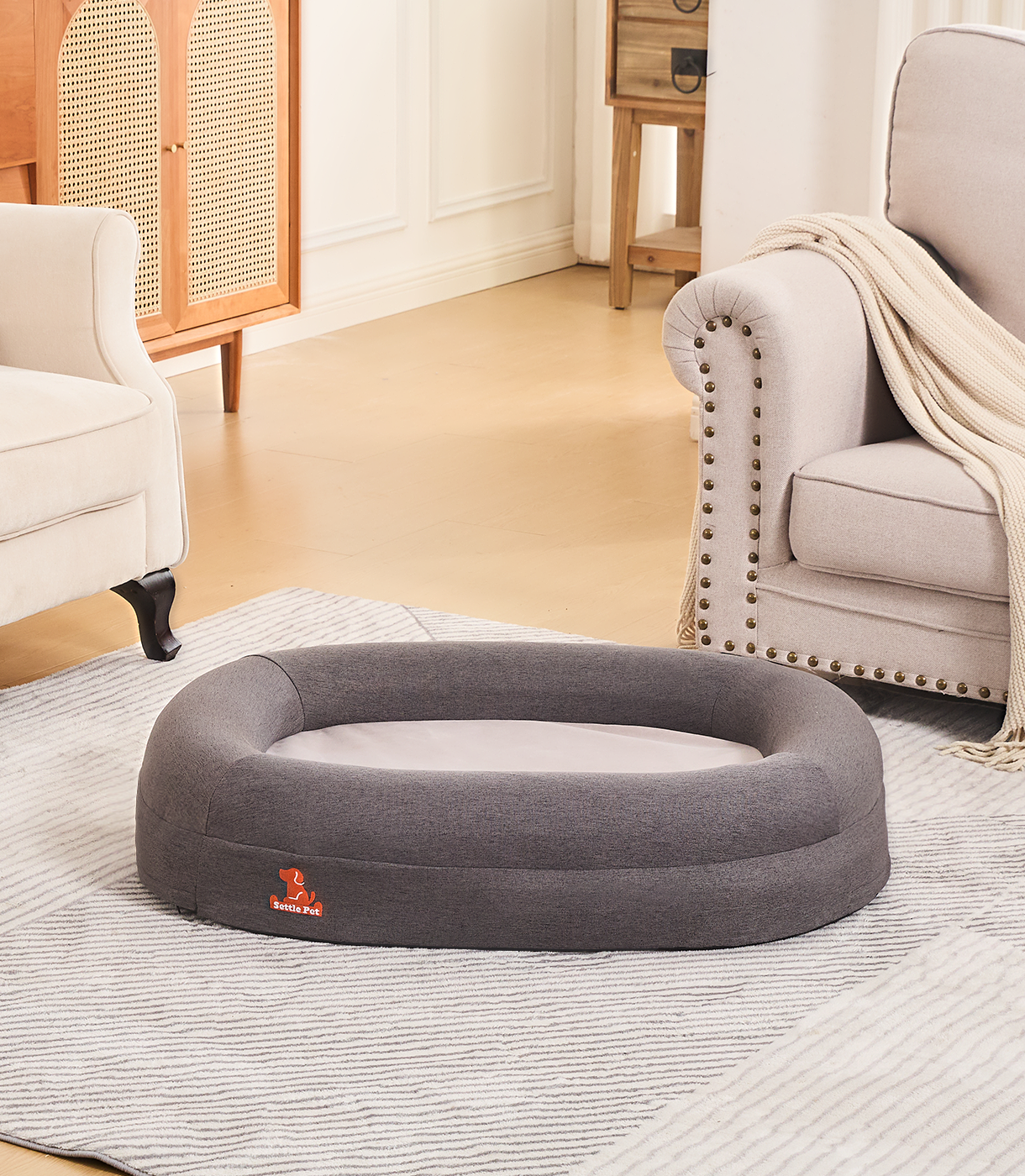
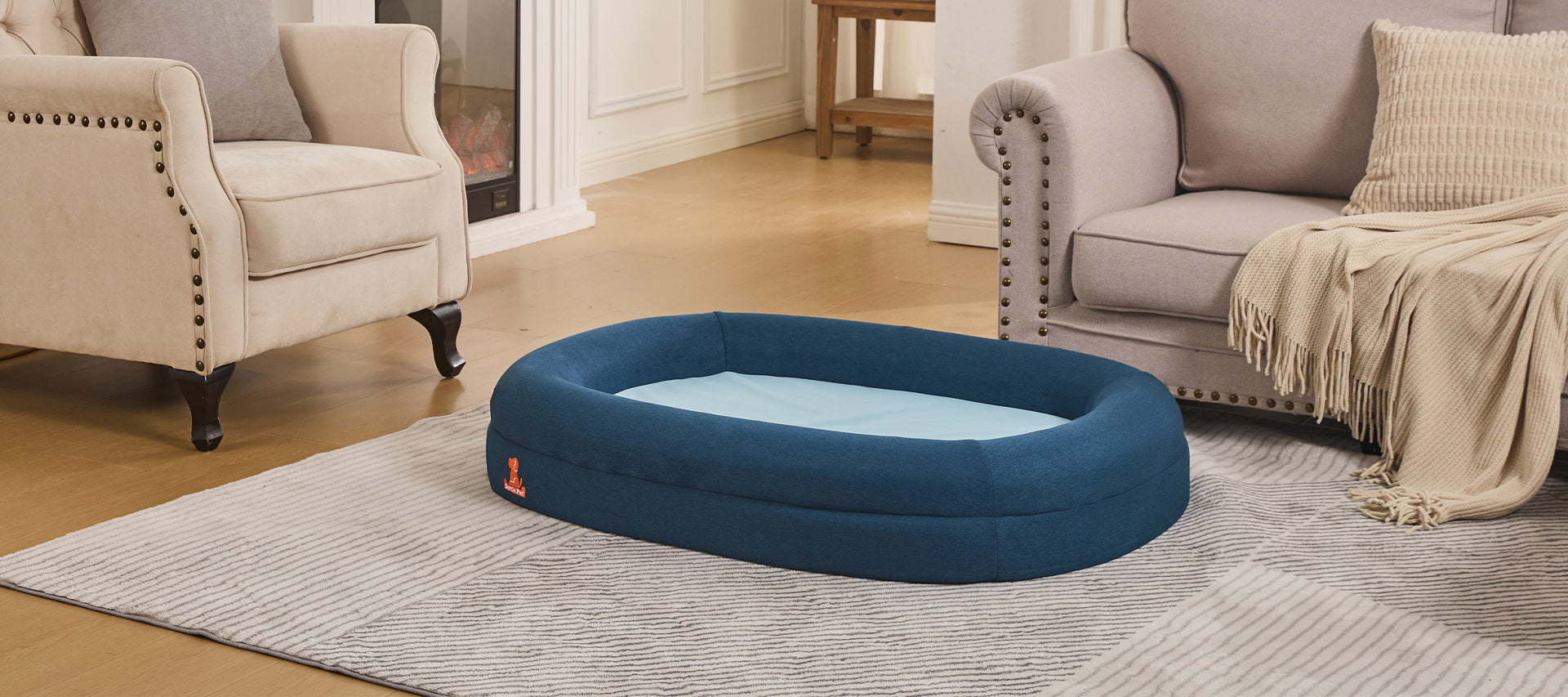
At Settle Pet, we understand that your dog is family. We design human-grade orthopedic dog beds and timeless styles, but we also know that sometimes, you have to temporarily disrupt their comfort to keep them safe long-term. This guide will walk you through exactly what to do with pets during bed bug treatment, ensuring a smooth process from preparation to re-entry.
Why Is Preparation Crucial?

Before the pest control professionals arrive, it’s vital to understand why specific instructions regarding pets are non-negotiable. The chemicals used to eliminate bed bugs are potent. While effective against pests, many can be toxic to pets if inhaled or absorbed through the skin. Additionally, the process often involves moving furniture, vacuuming, and treating box springs and mattresses—areas where your pet might normally sleep.
Ignoring safety protocols can lead to serious health issues for your animals. Therefore, following a strict plan to protect your pets is the most important part of the entire bed bug treatment process.
What to Do with Pets During Bed Bug Treatment: A Step-by-Step Guide
Navigating a home treatment requires careful planning. Here is your checklist to keep your companion out of harm's way.

Photo source: Unsplash
1. The Night Before: Preparation is Key
-
Remove Pet Items: Gather all your dog's belongings. This includes their food and water bowls, toys, leashes, and most importantly, their pet beds. Since these items are close to the floor and your pet, they are prime hiding spots for bugs.
-
Wash Fabrics: Wash your dog’s bedding, blankets, and soft toys in hot water and dry them on the highest heat setting. This kills any bugs or eggs present. Store these clean items in sealed plastic bags outside the home.
2. Treatment Day: Temporarily Relocate Your Pets
This is the most critical step. You must temporarily relocate your pets before the pest control team begins spraying treated areas.
-
Leave the Premises: Your pets cannot be in the home during treatment. Arrange for them to stay with a friend, family member, or at a reputable boarding facility.
-
Secure Environment: Ensure the temporary location is safe and free from the stress of the moving chaos. Bring their cleaned bed from Settle Pet to give them a familiar, comfortable spot to rest. A quality bed provides a sense of security when their home environment is disrupted.
-
Inform Your Boarder: If using a kennel, inform them that your home is undergoing treatment so they can monitor your pet for any signs of stress.
3. During Treatment: Let the Professionals Work
Once you and your pets are safely away, the exterminators will handle the infestation. They will focus on baseboards, cracks, box springs, and furniture. Trust their process. Trying to "help" by moving items back in can compromise the safe treatment and expose your pets to danger later.
The Post-Treatment Phase: Safely Welcoming Your Pet Home
The pest control technicians have left, but your role as your pet's protector isn't over yet. Knowing how to handle this final phase means the difference between a stressful return and a truly safe homecoming for your furry family member.
 Photo source: Unsplash
Step 1: Wait for the All-Clear Signal
Your pest control company's specific instructions aren't suggestions—they're your roadmap. They'll specify exactly how long you need to wait before re-entering your home. This waiting period allows treated areas to dry and chemicals to disperse, ensuring the safety of your pets before they explore. The goal is safe treatment that eliminates pests while remaining pet-friendly.
Gentle reminder: your patience now is an act of love. Those extra hours ensure no residue remains toxic to pets.
Step 2: Prepare the Space
Before your pet steps paw back inside, take these thoughtful steps to ready their environment:
Open every window. Let fresh air sweep through each room, carrying away any lingering traces. Think of it as your home taking a deep, cleansing breath.
Wipe down surfaces. Gently clean countertops, shelves, and anywhere your pet might jump, rest, or accidentally lick. A damp cloth is often enough—your goal is peace of mind, not deep cleaning.
Scan for residue. Check floors and baseboards with a watchful eye, especially in treated areas. If you spot anything unusual, a quick wipe removes the worry.
Step 3: Bring Their Belongings Home
Remember those pet beds and toys you carefully sealed away? Now it's time for their homecoming too.
Inspect Before You Place
Before settling your dog's bed back into its favorite sunny spot or cozy corner, take a moment to examine the area. Look closely—under furniture, along baseboards, and in the tiny nooks and crannies where tiny intruders might hide. Successful bed bug treatment requires vigilance even after the professionals leave.

A design detail that helps: The hidden handle on your Settlepet bed isn't just for carrying. It lets you effortlessly lift and tilt the bed to check underneath, revealing spaces that might otherwise go unseen. When not needed, the handles tuck away discreetly, keeping the bed's clean lines intact.
Cleanse and Refresh
If any worry about chemical residue lingers in your mind, action speaks louder than doubt.
The YKK zipper on your Settlepet cover glides open smoothly—designed this way because we know you'll use it often. Slip off the cover and toss it in the wash. Warm water, gentle cycle, and it emerges fresh and ready. The zipper itself is built for this exact routine, moving easily even after countless washes.

Add an Extra Layer of Protection
As you slip the clean, fresh cover back over the bed, you'll appreciate the thoughtful construction beneath your fingers. The waterproof inner liner isn't just a feature—it's a promise.
Step 4: Watch and Reassure
The days following treatment call for quiet observation. Notice where your pet chooses to rest. Check their favorite sleeping spots for any signs of returning pests. Your attentive eyes are the best way to protect your pets from any lingering threat.
A bed designed with care makes this easy. Its thoughtful construction means you can lift, inspect, and clean without struggle—because the moments you spend caring for your pet should feel like connection, not chore.
Understanding the Challenge

Photo source: Unsplash
A bed bug infestation is stressful for any household. These tiny pests feed on human blood and seek out warm resting spots—which is why they're drawn to box springs, mattresses, and pet beds. During treatment, it's essential to temporarily relocate both pets and their belongings. This breaks the cycle and denies pests access to their human hosts.
The goal of professional pest control is to ensure the safety of everyone in your home—two-legged and four-legged alike.
Settle Pet Frequently Asked Questions (FAQs)
Q1: Can I leave my dog with a pet sitter inside the house during treatment?
Absolutely not. For the safety of your pets, they must be completely removed from the premises during the application of pesticides. The fumes and direct contact with treated areas can be toxic to pets. Temporarily relocate them to a safe, off-site location.
Q2: Do I need to wash my dog's orthopedic bed after treatment?
Yes. Even if the bed was stored away, it's best practice to wash all fabric items. If your Settle Pet bed has been in the home, remove the cover and wash it according to the specific instructions on the tag. The dense human-grade memory foam core should be inspected and aired out, but do not submerge it in water.
Q3: Are there pet friendly treatment options?
Some pest control companies offer heat treatments or specific chemicals that are less toxic. When scheduling, ask about pet friendly options. However, even with "safer" methods, you should still follow all safety protocols and temporarily relocate your pets during the process.
Q4: What if my pet licks a treated area?
If your pet comes into contact with or licks a recently treated area, contact your veterinarian immediately. This is why it's critical to follow re-entry timelines and thoroughly clean surfaces before allowing pets back in.
Q5: How do I prevent bed bugs from hiding in my dog's bed again?
Using a bed with a removable, washable cover, like those from Settle Pet, is your first line of defense. Regularly vacuuming the bed and the area around it also helps. Consider using a water-resistant protective liner (often a simple zippered cover) under the main cover for an extra layer of protection that is easy to wipe down and inspect.