Watching your puppy experience sudden bursts of hiccups can be both amusing and concerning. But did you know that puppies get hiccups much more frequently than adult dogs?
Understanding why puppies are so prone to these diaphragm spasms is the first step in providing them with proper care. While often harmless, puppy hiccups can sometimes signal a need for a change in routine or diet.
This comprehensive guide will explore the common causes of hiccups in puppies, explain how they differ from hiccups in dogs of other ages, and provide practical solutions every pet owner should know.
1. The Science Behind Puppy Hiccups: Understanding Diaphragm Spasms
Hiccups, in both humans and puppies, are caused by involuntary contractions of the diaphragm, followed by the sudden closure of the vocal cords, which creates the characteristic "hic" sound.
For puppies, these diaphragm spasms are especially common. Their nervous and digestive systems are still developing, making the diaphragm more sensitive to various triggers like excitement, fast eating, or temperature changes. It's a normal part of neuromuscular development and rarely a cause for alarm.
Interestingly, some veterinarians theorize that fetal hiccups, which also occur in the womb, serve as a practice mechanism for breathing muscles. This pattern often continues into puppyhood.
2. Why Puppies Develop Hiccups

Puppies can develop hiccups from a variety of everyday activities. Understanding these triggers can help you prevent frequent episodes.
-
Rapid Eating and Drinking: This is the most common trigger. When puppies eat or drink too quickly, they swallow excessive air, which distends the stomach and irritates the diaphragm.
-
Excitement and Play: High energy levels and rapid breathing during play can disrupt normal breathing rhythms and lead to hiccups.
-
Fatigue and Temperature Changes: Becoming overly tired or experiencing a sudden chill (like drinking cold water) can sometimes trigger a case of hiccups.
A simple way to visualize the primary causes and their solutions is through the following table:
| Primary Trigger | How It Causes Hiccups | Practical Prevention Tip |
|---|---|---|
| Eating Too Fast | Swallows air, causes stomach distention | Use a slow feeder bowl |
| Drinking Too Fast | Swallowing air may shock the diaphragm | Offer smaller, more frequent water breaks |
| Overexcit | Causes irregular, rapid breathing | Encourage calm after intense play |
3. Puppies vs. Adult Dogs: Frequency and Concerns
It's perfectly normal for puppies to experience hiccups far more often than adult dogs. A puppy might have hiccups daily or even several times a day, while an adult dog with frequent hiccups might warrant a vet check.
This higher frequency is due to their immature physiology. As puppies grow, their diaphragm and nervous system become more regulated, and hiccups become less frequent.
When Should You Be Concerned?
While hiccups are common and usually harmless, consult your veterinarian if:
-
A single hiccup episode lasts longer than an hour.
-
The hiccups seem forceful or distressing to your puppy.
-
They are accompanied by other symptoms like lethargy, coughing, gagging, or loss of appetite, which could indicate underlying respiratory issues or other illnesses.
4. Effective Home Remedies and Prevention Strategies
Most puppy hiccups resolve on their own within a few minutes. You can often help the process along or prevent future episodes with these strategies:
-
The Slow Feeder Solution: The most effective prevention tool is a slow feeder. These specially designed bowls with ridges or puzzles force your puppy to eat at a slower pace, dramatically reducing air intake.
-
Promote Calm, Steady Drinking: Use a smaller water bowl or add a large, clean stone to the bowl to slow down a puppy that gulps water.
-
Gentle Distraction: Sometimes, a gentle distraction like a calm cuddle or a short, leisurely walk can help regulate breathing and stop the hiccups.
-
Ensure a Calm Environment: Avoid feeding your puppy immediately after vigorous play. Let them settle down first to prevent excitement-induced hiccups.
5. How Settle Pet Supports Puppy Wellness

A puppy's overall comfort and sense of security can influence its stress levels and, indirectly, conditions like hiccups. A stressed or uncomfortable puppy may eat faster or breathe less evenly.
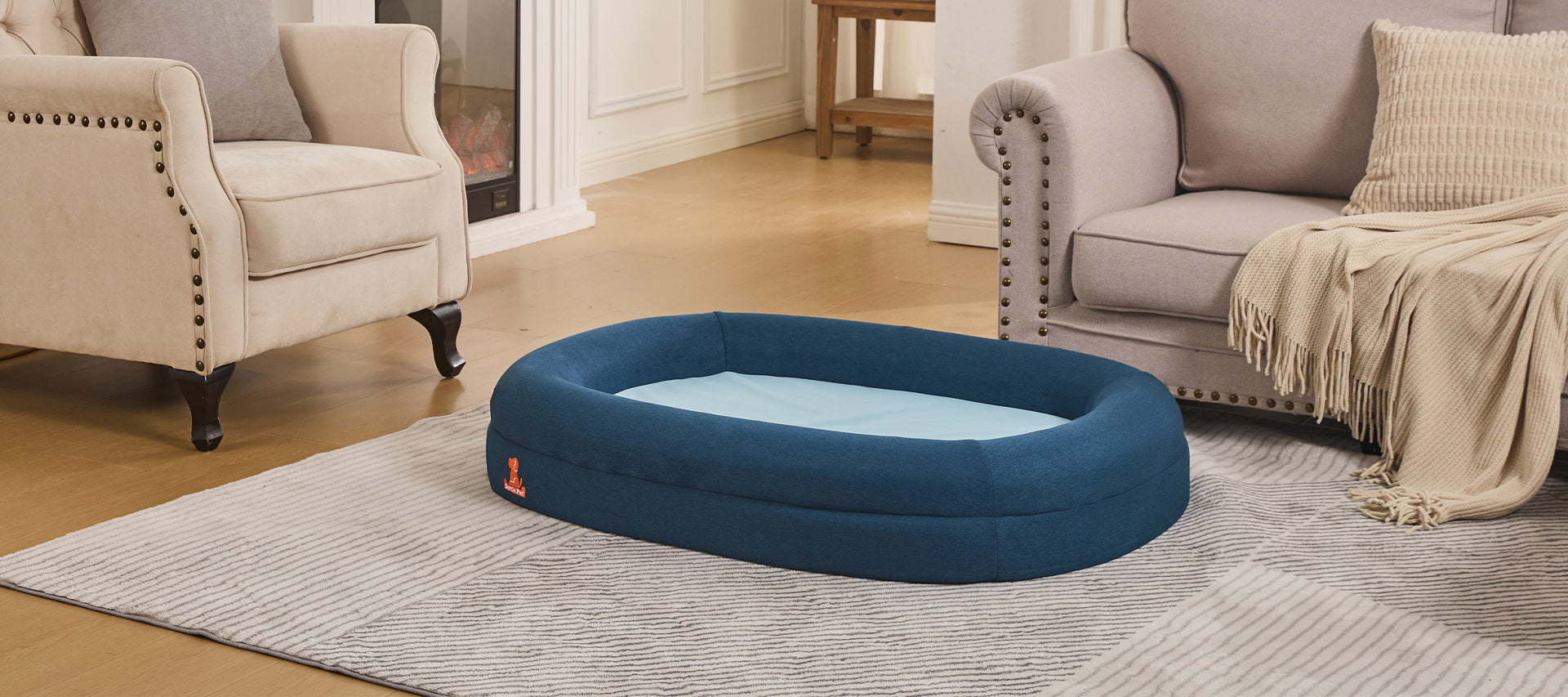
This is where a dedicated, high-comfort bed like those from Settle Pet plays a valuable role. Settle Pet's orthopedic beds are designed with a Canine Ergonomic Squircle Design that provides a sense of security and enclosure, helping puppies feel safe and calm.
The premium, human-grade orthopedic memory foam supports healthy joints and promotes a relaxed, neutral sleeping posture. A well-rested, calm puppy is less prone to the overexcitement that can trigger hiccups. By providing a designated, ultra-comfortable space for rest and digestion after meals, you contribute to your puppy's overall routine and well-being.
Settle Pet Frequently Asked Questions (FAQs)
1. How can I tell if my puppy's hiccups are serious?
Most puppy hiccups are not serious. Be concerned if the hiccups last over an hour, are accompanied by coughing, difficulty breathing, or lethargy, or if your puppy seems in distress. In these cases, consult your veterinarian to rule out any underlying issues.
2. Is it true that puppies get hiccups more often in their sleep?
Yes, it's not uncommon for puppies to experience hiccups while sleeping or just waking up. This is usually related to their relaxed state and immature nervous system and is typically nothing to worry about.
3. Can I use human hiccup remedies on my puppy?
No. Avoid human remedies like startling them, giving them sugar, or holding their breath. These can frighten or even harm your puppy. The safest approaches are offering a little water, gentle distraction, or just waiting for them to pass.
4. Will my puppy outgrow frequent hiccups?
Absolutely. As your puppy matures into an adult dog, its diaphragm and nervous system will become less sensitive. The frequency of hiccups will almost certainly decrease significantly with age.