Why Is My Dog Twitching in His Sleep?

Why Is My Dog Twitching in His Sleep? Decoding Canine Sleep Secret

Many pet owners feel both curious and concerned when they see their furry friend suddenly twitch their paws or make soft noises while sleeping.  Why is my dog twitching in his sleep? Behind this common phenomenon lies the fascinating truth of canine sleep science.

The Science of Canine Sleep: Understanding Sleep Cycles

Similar to humans, dogs follow specific sleep patterns and sleep cycles. These cycles include light sleep, deep sleep, and the Rapid Eye Movement (REM) stage. During REM rapid eye movement sleep, a dog's brain activity is most active, and this is when dreams occur with the highest likelihood.

REM Sleep and Dream Activity

Research shows that the frequency of dogs dreaming is related to their size. An average-sized dog enters REM sleep approximately every 20 minutes, and dreams typically occur during this phase. At this time, you might observe:

  • Eyelid fluttering (rapid eye movement)

  • Slight twitching of the paws

  • Chewing motions with the mouth

  • Soft barks or whimpers

  • Irregular breathing patterns

  • Tail flicks or wags

These muscle movements are the dog's natural physical response to activities in their dream, similar to those of humans during sleep. The brain sends signals to muscles that would be used in the dreamed activity, but fortunately, a natural paralysis mechanism prevents most of these signals from resulting in full movements that could cause injury.

Comparative Sleep Patterns Across Dog Life Stages


Life Stage Daily Sleep Hours REM Sleep Percentage Twitching Frequency Common Sleep Positions
Puppies (0-1 year) 18-20 hours 10-12% Very frequent Curled up, on side
Adult Dogs (1-7 years) 12-14 hours 8-10% Moderate Lion pose, on side
Senior Dogs (7+ years) 14-16 hours 6-8% Variable Stretched out, multiple positions
Working Dogs 10-12 hours 8-10% Less frequent Alert resting positions

Common Reasons for Dogs Twitching in Sleep

  1. Active Dreaming: Just as humans dream about running or chasing, dogs dream and may be running or playing in their dreams, causing corresponding muscle movements in their body.

  2. Nervous System Development: Puppies' twitching during sleep aids in the development of their nervous system and muscle coordination.

  3. Memory Processing: Activities during sleep may help dogs consolidate skills and experiences learned during the day.

  4. Temperature Regulation: In cooler environments, slight muscle twitching helps maintain body temperature.

  5. Breed-Specific Traits: Some breeds, particularly hunting and herding dogs, may exhibit more pronounced sleep movements due to their genetic predisposition for active dreaming.

When Twitching Might Indicate a Concern


Type of Movement Normal Sleep Twitching Potential Problem Signs
Duration Brief bursts (seconds) Continuous (>20 minutes)
Intensity Mild to moderate Violent, whole-body shaking
Timing During deep sleep When asleep or awake
Response to Touch Stops when gently petted Continues despite interaction
Post-Twitching Behavior Returns to calm sleep Appears confused, distressed
Associated Symptoms None Drooling, stiffness, loss of bladder control

Should You Wake Your Dog?

Generally, it is not recommended to interrupt a sleeping dog who is dreaming. Sudden awakening can lead to:

  • Temporary confusion or disorientation

  • Stress responses (especially for nervous dogs)

  • Interference with important sleep recovery processes

  • Sleep startle reflex (involuntary snapping or biting)

  • Disruption of learning and memory consolidation

Only if the twitching is unusually severe or the dog shows signs of distress should you gently wake them. The best method is to call their name softly from a distance, avoiding direct touch to prevent being accidentally bitten by a semi-awake dog.

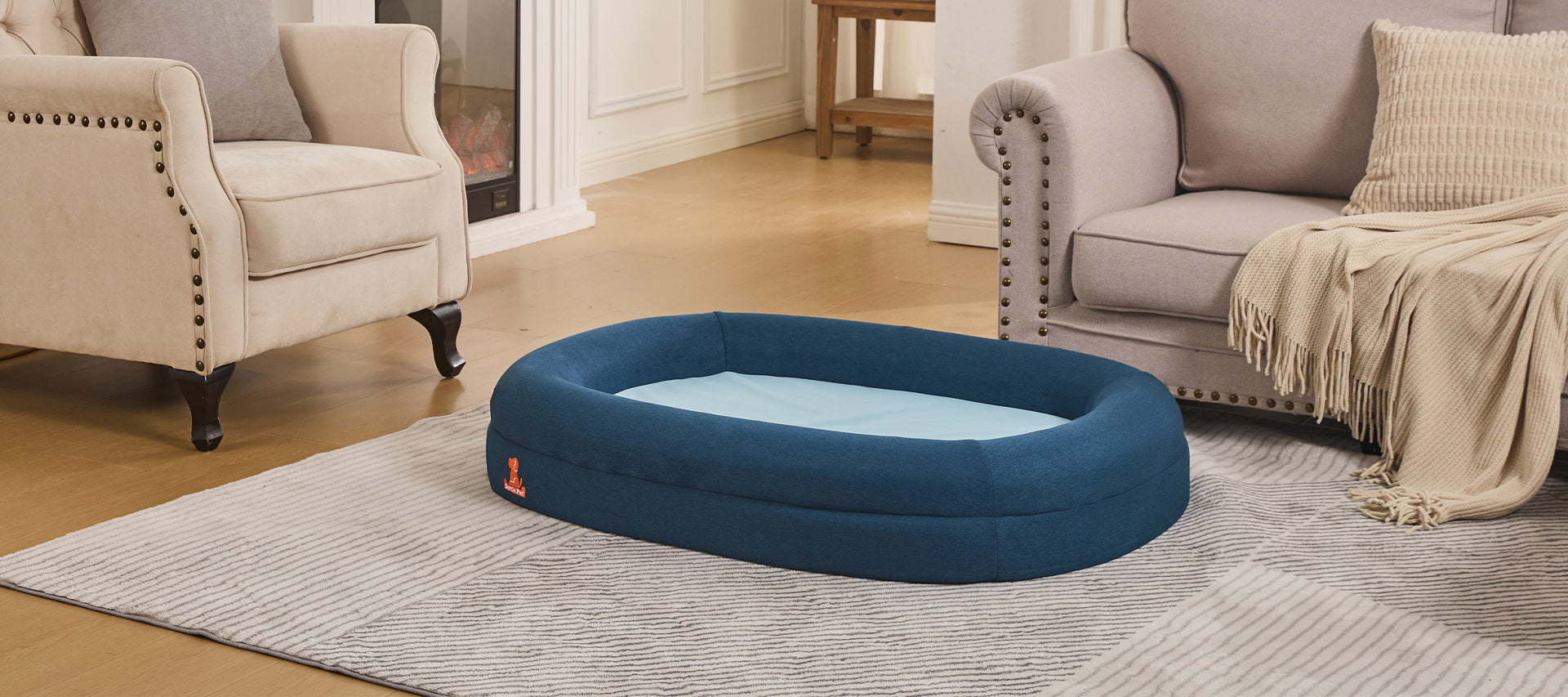
Creating a Safe Sleep Space: The Settle Pet bed's design includes gently sculpted bolsters that not only provide head and neck support but also create a defined, secure space that can help prevent your dog from rolling off during active sleep. This sense of security often means pet owners feel less need to intervene when they see their dog twitching in their sleep, knowing they're safely contained in their designated resting area.

Practical Tips to Improve Your Dog's Sleep Quality

  1. Create a Comfortable Sleep Environment: Provide a supportive, orthopedic bed placed in a quiet, temperature-appropriate corner. The Medium Cocoa Mocha Settle Bed (38" x 29" x 7.5", perfect for dogs up to 45 lbs) offers both orthopedic support and timeless design that complements your home while giving your dog the comfort they deserve.

  2. Maintain a Regular Routine: Fixed times for walks, feeding, and bedtime help stabilize sleep habits. Consider placing your dog's Settle Bed in a consistent location to strengthen sleep associations.

  3. Provide Adequate Daytime Exercise: Sufficient physical and mental activity promotes higher quality rest at night. After an active day, your dog will appreciate returning to the comfort of their Settle Pet bed.

  4. Establish a Bedtime Relaxation Ritual: Gentle petting, calming music, or quiet interaction before bed can help your dog calm down and fall asleep more easily. The familiar comfort of their own bed reinforces this winding-down process.

  5. Pay Attention to Bed Quality: Not all dog beds are created equal. The Settle Bed is crafted with human-grade orthopedic memory foam that actively supports healthy posture and reduces joint pressure—especially important for senior dogs or those with arthritis who may experience more discomfort during sleep.

Sleep Disorders in Dogs: When to Be Concerned

While most sleep twitching is normal, certain conditions require veterinary attention:

Narcolepsy: Sudden sleep attacks with muscle collapse, often triggered by excitement
Sleep Apnea: More common in brachycephalic (short-nosed) breeds, characterized by breathing interruptions
REM Behavior Disorder: Lack of normal muscle paralysis during REM sleep, leading to acting out dreams
Canine Cognitive Dysfunction: In senior dogs, changes in sleep patterns may indicate cognitive decline

Support Through Comfort: For dogs experiencing sleep challenges, environmental adjustments can make a significant difference. The Settle Pet bed's orthopedic properties are particularly beneficial for dogs with joint issues or arthritis, as the memory foam distributes weight evenly and reduces pressure points that might otherwise cause discomfort and sleep disruption.

When to Consult a Veterinarian

It is advisable to schedule a veterinary check-up if you notice:

  • A sudden increase in the frequency or intensity of twitching

  • Muscle stiffness while sleeping or awake

  • The dog shows signs of pain or difficulty moving after twitching

  • Other symptoms accompany the twitching, such as decreased appetite or behavioral changes

  • For senior dogs, any significant change in sleep behavior is worth noting

  • Twitching that begins to occur during waking hours

Documentation Tool: When preparing for a veterinary visit regarding your dog's sleep behaviors, consider documenting their sleep patterns. Note where they sleep (observing if they choose hard floors over their Settle Bed, which might indicate discomfort), how often they change positions, and the characteristics of any twitching episodes.

Understanding and Acceptance: Your Dog's Sleep World

The next time you see your dog twitch in their sleep, you can relax and appreciate this natural phenomenon. These little movements might mean they are chasing squirrels, playing with friends, or reliving happy moments with you in their dreams. As long as the twitching is moderate and your dog wakes up alert and well, it is usually a sign of healthy sleep.

Every dog is a unique individual, and their sleep patterns vary. By observing and understanding your dog's specific sleep habits, you can not only better care for their health but also deepen the bond with this furry family member.

Providing your dog with a dedicated, high-quality sleep space like the Settle Pet bed does more than just offer physical comfort—it communicates love and care. When your dog settles into their Cocoa Mocha, Cloud Gray, or Twilight Blue Settle Bed, they're entering a space designed specifically for their wellbeing, where they can safely experience all the adventures of their dream world.

Remember, the most common answer to why is my dog twitching in his sleep is this: they are enjoying a wonderful dream, where they might be a superhero, an explorer, or simply the most loved dog. And with the right support—both in your care and in their sleeping environment—you can ensure those dreams are as comfortable and restorative as possible.


Explore the Settle Pet collection to find the perfect bed for your dreaming companion. With options like the Medium Cocoa Mocha Settle Bed featuring human-grade orthopedic memory foam and four interest-free installment plans available, you can invest in your dog's sleep health while making comfortable payments that work with your budget.